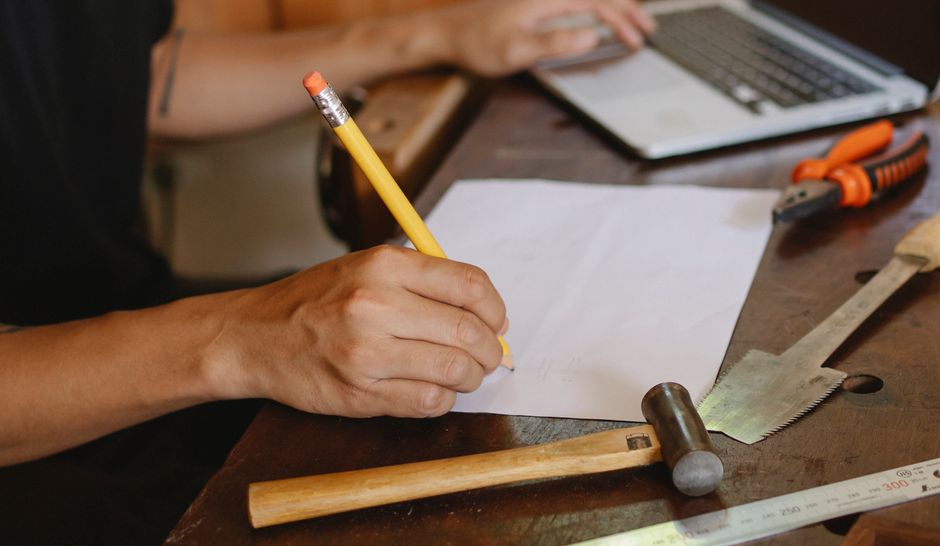
Side view of crop unrecognizable carpenter taking notes with pencil on paper while typing on netbook at workbench with professional tools in workshop

Approach

Discover how we document and share the methods, workflows, and expertise found in workshops around the world.

How We Document Workshop Knowledge

This page explains how Craft Guild records and shares the methods, workflows, and expertise encountered in workshops worldwide. Our approach centres on careful observation and structured interviews with craftspeople, so that practices are captured in their real environment and presented with their original context. We describe tools, processes, and decision-making as they occur rather than promoting any single technique. Information gathered this way reflects individual settings and traditions. Relationships between documented practices and any particular result are shaped by many factors beyond documented steps, and we therefore make no claims about effects or suitability in other settings. Transparency about sources and context guides all material we share.
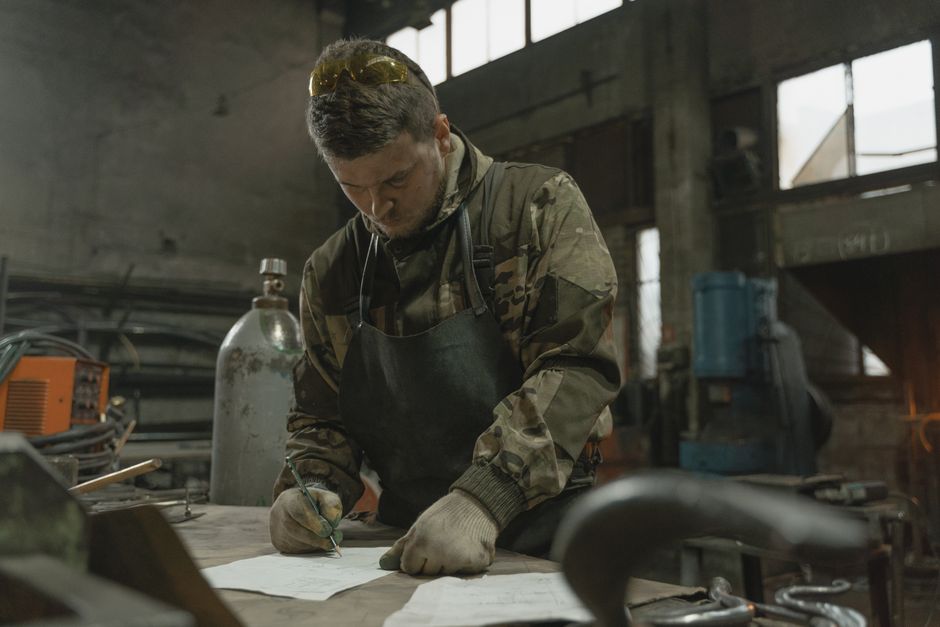
A man in a workshop writing notes while surrounded by metalwork equipment.

Our Documentation Methodology

  • 01

    Initial Site Visits

    We begin with in-person visits to workshops, liaising with local contacts and artisans to establish a grounding for documentation.

  • 02

    Observation and Recording

    During observation, our team records working methods through field notes, photography, audio and video where permissions allow.

  • 03

    Verification with Artisans

    Recorded material is cross-checked with workshop practitioners, allowing us to correct inaccuracies and add contextual detail.

  • 04

    Organisation and Sharing

    Findings are collated into structured archives and shared through summaries, acknowledging that documentation scope depends on local factors.

The Role of Documentation in Workshop Practice

Recording workshop methods and the knowledge held by experienced makers creates a reference that can be revisited over time. Making such records available supports exchange between practitioners and helps keep traditional techniques visible. It is one element within a wider framework of factors, and its influence is dependent on context, interpretation, and changing circumstances. Descriptions of processes therefore remain informational rather than predictive, offering a basis for study without implying particular results.

Frequently Asked Questions

  • What types of workshops are covered by Craft Guild?
    We document a range of craft disciplines, including woodworking, metalwork, textiles, ceramics and mixed-media practices. Coverage depends on workshop access, practitioner participation and research priorities.
  • How does Craft Guild approach documenting workshop methods?
    Our documentation process usually combines on-site observation, structured interviews and the written recording of equipment, workflows and sequences. Methods are logged as contextual snapshots rather than prescriptive templates.
  • How is the information gathered during documentation verified?
    Records are reviewed with contributing practitioners, cross-referenced with additional sources where available, and updated periodically. Verification is an ongoing process and reflects the information available at that point in time.
  • What is the purpose of sharing these documented methods?
    Shared documentation supports research, teaching reference and cross-cultural comparison. It aims to increase visibility for workshop practice rather than serve as instruction or professional guidance.
  • Does this information apply to every workshop setting?
    Methodological records can be significantly influenced by the equipment, materials, scale and workflows in place. How any documented approach applies elsewhere will depend on various situational factors.