Natural Dyeing with Plants: A Workshop Guide
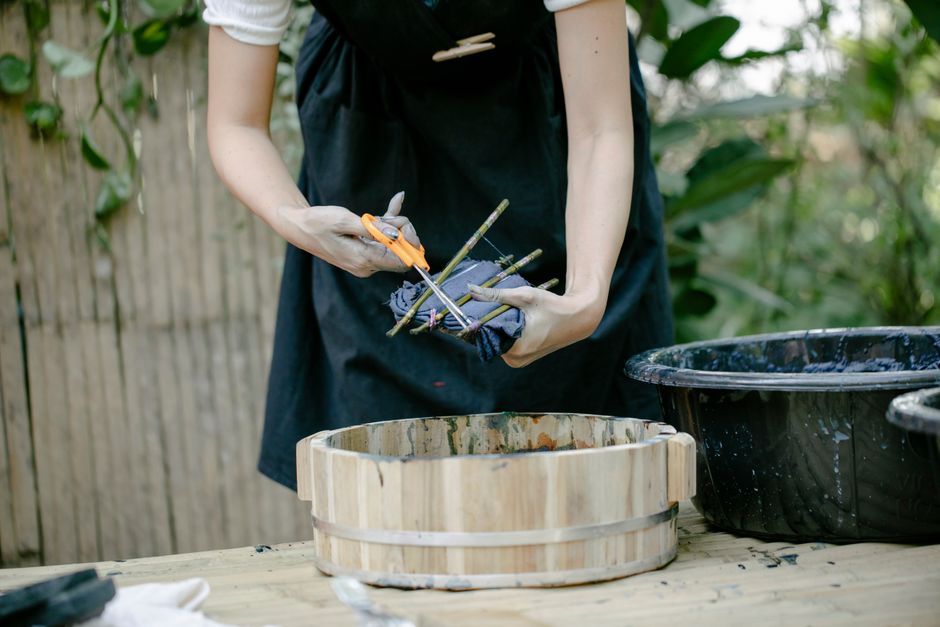
Natural dyeing with plants is a centuries-old craft that transforms plant materials into a spectrum of colours for textiles. This workshop guide explores the fundamental processes of extracting dyes from indigo, madder, and other dye plants, and applying them to natural fibres in a textile studio setting. The focus is on understanding the methods, materials, and variables that influence the dyeing process, rather than promising specific outcomes. By examining each stage, from fibre preparation to dye extraction and colour development, participants can develop a foundational knowledge that supports informed decision-making in their own practice.
In the United Kingdom, natural dyeing has seen a resurgence as makers seek sustainable alternatives to synthetic dyes. The Craft Guild supports this interest by offering educational resources and workshops that emphasise transparency and methodology. This article outlines the key steps and considerations for those wishing to explore plant-based dyeing, whether in a community studio or a home workspace. The information presented is intended for educational purposes and does not replace professional advice or hands-on instruction from experienced dyers.
Before beginning any dye project, it is essential to recognise that results depend on multiple factors, including the type of fibre, the plant material, water quality, and environmental conditions. The following sections provide a detailed overview of the dyeing process, with practical guidance that can be adapted to various contexts. Each stage is described in a neutral, process-oriented manner to support learning and experimentation.
Understanding Natural Dyes and Fibre Preparation
Natural dyes are colourants derived from plant sources such as roots, leaves, flowers, and bark. Unlike synthetic dyes, which are chemically engineered for consistency, natural dyes can vary in hue and intensity due to factors like plant species, growing conditions, harvest time, and extraction method. This variability is inherent to the craft and requires an approach that embraces experimentation and documentation. In a workshop setting, participants are encouraged to keep detailed records of their processes to better understand how different variables affect the final colour.
Fibre preparation is a critical first step in natural dyeing. Natural fibres, including cotton, linen, wool, and silk, must be scoured to remove oils, waxes, and impurities that can hinder dye absorption. Scouring typically involves washing the fibre with a mild detergent and a source of alkalinity, such as soda ash, followed by thorough rinsing. For protein fibres like wool and silk, a gentler approach is advisable to avoid damage. After scouring, fibres may be mordanted to improve dye affinity and colour fastness. Mordants are metal salts that form a coordination complex with the dye molecules and the fibre, helping to fix the colour. Common mordants include alum, iron, and tannin, each of which can influence the resulting shade.
The choice of mordant and its concentration can significantly affect the outcome. For example, alum tends to produce brighter, clearer colours, while iron can darken and sadden tones. Tannin, often derived from plant sources like gallnut or tea, can be used as a pre-mordant for cellulose fibres to enhance dye uptake. It is important to handle mordants with care, as some are toxic in certain forms, and to follow safety guidelines provided by the Craft Guild or other reputable sources. Proper ventilation, protective equipment, and dedicated tools are recommended when working with mordants and dye baths.
Extracting Colour from Indigo and Madder
Indigo and madder are two of the most well-known natural dye plants, each requiring distinct extraction and application methods. Indigo, derived from the leaves of Indigofera species, is not water-soluble in its natural state. To dye with indigo, the pigment must be reduced to a soluble form in an alkaline vat, typically using a reducing agent such as fructose, henna, or thiourea dioxide. The vat is kept at a specific temperature and pH to maintain the reduced state. When the fibre is dipped into the vat, the soluble indigo penetrates the fibre; upon exposure to air, it oxidises back to its insoluble blue form, becoming trapped within the fibre. This process can be repeated to achieve deeper shades, with each dip adding depth to the colour.
Madder, on the other hand, is a root dye that produces a range of reds, from orange-red to deep burgundy, depending on the mordant and extraction conditions. The roots contain glycosides that must be hydrolysed to release the dye molecules. This is often achieved by soaking the roots in warm water with the addition of an acid, such as vinegar, or by using a prolonged extraction at controlled temperatures. The resulting dye bath can be used directly, or the extract can be concentrated for later use. Madder is sensitive to temperature; higher temperatures can shift the colour towards brown, so careful monitoring is advised. In a workshop, participants might experiment with different extraction times and temperatures to observe the variations in colour.
Other plants commonly used in natural dyeing include weld for yellow, cochineal (though an insect dye) for pink and red, and onion skins for golden hues. Each plant material requires its own extraction protocol, which may involve simmering, soaking, or fermenting. The Craft Guild often recommends starting with a small test batch to gauge the strength of the dye before committing larger quantities of fibre. This iterative approach helps build understanding and reduces waste.
Dyeing Process and Colour Development
Once the dye bath is prepared, the pre-mordanted fibre is introduced. The dyeing process can be conducted at various temperatures, depending on the fibre and dye. Protein fibres like wool and silk generally tolerate higher temperatures, while cellulose fibres may require longer dwell times or additional treatments. The fibre should be fully submerged and agitated gently to ensure even dye penetration. The length of time the fibre remains in the bath, the concentration of the dye, and the pH of the bath all influence the final colour.
After dyeing, the fibre is removed, rinsed, and washed to remove excess dye. The colour may lighten slightly upon drying, and some dyes are more prone to fading than others. To assess colour fastness, a small sample can be subjected to light and washing tests. It is important to note that natural dyes often have different fastness properties compared to synthetic dyes, and results can vary. Documenting the process and outcomes allows dyers to refine their techniques over time.
In a textile studio, it is common to have multiple dye pots running simultaneously to explore a range of colours. Cross-dyeing, where a fibre is dyed first with one plant and then overdyed with another, can yield complex shades. For instance, indigo over madder can produce purples and greens, while weld over indigo can create greens. These combinations are best approached with a spirit of experimentation and a willingness to accept variability. The Craft Guild encourages such exploration within a framework of safety and respect for materials.
Safety, Sustainability, and Studio Practices
Natural dyeing is often perceived as environmentally friendly, but it is not without its impacts. The cultivation and harvest of dye plants require land, water, and energy, and the use of mordants can introduce metals into wastewater. Responsible studio practices include using mordants sparingly, recycling dye baths when possible, and disposing of waste according to local regulations. In the United Kingdom, guidelines from environmental agencies can provide direction on safe disposal. The Craft Guild promotes a holistic view of sustainability that considers the entire lifecycle of the dye process.
Safety in the dye studio is paramount. Some plants and mordants can be irritating or toxic, and dust from powdered dyes should be avoided. Wearing gloves, a mask, and an apron is advisable, and workspaces should be well-ventilated. Dedicated pots and utensils should be used for dyeing only and never for food preparation. It is also important to label all containers clearly and store them securely away from children and pets. These precautions help ensure a safe and enjoyable experience for all participants.
Finally, the communal aspect of a workshop can enhance learning and foster a sense of shared discovery. Participants can exchange observations, troubleshoot challenges, and celebrate unexpected results. The Craft Guild supports such collaborative environments by providing a framework for workshops that prioritise education, safety, and creativity. By approaching natural dyeing with curiosity and care, individuals can develop a deeper appreciation for the interplay between plants, fibres, and human ingenuity.