Understanding Kiln Firing Schedules for Stoneware
Kiln firing schedules are fundamental to the ceramic process, particularly for stoneware, which matures at higher temperatures than earthenware. A firing schedule comprises a sequence of temperature changes over time, along with the atmospheric conditions inside the kiln. Potters and ceramic artists often develop schedules based on clay body, glaze, and desired surface qualities. Understanding how these variables interact can inform decisions about kiln operation and help potters achieve consistent results.
This article provides an overview of temperature curves and atmosphere control as they relate to stoneware. It discusses key stages of a firing schedule, the role of oxidation and reduction, and how these factors may influence the final appearance of pottery. The information is intended for educational purposes and assumes a basic familiarity with ceramic terminology. Always refer to specific clay and glaze manufacturer guidelines for precise firing parameters.
Temperature Curves and Their Stages
A temperature curve, often represented as a graph of temperature versus time, defines the rate of heating and cooling during a firing. For stoneware, which typically fires between 1200°C and 1300°C, the curve is usually divided into several stages: initial drying, ramp-up, soaking, and controlled cooling. Each stage serves a distinct purpose and can affect the final outcome. The initial drying stage removes mechanical water from the clay, preventing explosions. The ramp-up stage raises the temperature at a controlled rate to allow chemical and physical changes to occur evenly. The soaking stage holds the peak temperature for a specified duration to ensure glaze maturation and clay vitrification. Finally, controlled cooling can influence crystalline development and glaze surface.
The rate of temperature change is a critical parameter. Too rapid heating may cause thermal shock, leading to cracks or dunting. Conversely, very slow heating can extend firing time and energy consumption. Potters often adjust ramp rates based on the thickness of the ware and the specific clay body. For instance, thicker pieces may require slower initial ramps to allow moisture to escape without stress. Similarly, cooling rates can affect the appearance of glazes; slow cooling may promote crystal growth, while fast cooling can produce different surface effects.
Temperature curves are not universal; they vary with kiln type, clay composition, and desired aesthetic. Electric kilns typically offer precise control over ramp rates, while gas kilns may require manual adjustments. In the United Kingdom, many potters use programmable controllers to execute complex schedules. However, the curve alone does not determine the outcome; the atmosphere inside the kiln plays an equally important role.
Atmosphere Control: Oxidation and Reduction
The atmosphere within a kiln refers to the chemical environment created by the combustion process or by the introduction of gases. In oxidation, ample oxygen is present, allowing carbon and other elements to burn cleanly. In reduction, the oxygen supply is limited, causing incomplete combustion and the presence of carbon monoxide. This reducing environment can strip oxygen from metal oxides in glazes and clay, leading to colour changes and unique surface effects.
For stoneware, reduction firing is often used to achieve specific colours and textures. For example, iron oxide in a glaze may produce earthy browns in oxidation but can yield celadon greens or rusty reds in reduction. Copper oxide can shift from green in oxidation to deep red in reduction. These effects are highly dependent on the degree and timing of reduction. Potters may introduce reduction at specific points in the firing schedule, such as during the early stages or during the soaking period.
Controlling atmosphere requires careful management of fuel and air intake in gas kilns, or the use of oxygen probes and controllers in electric kilns with atmosphere control systems. In the United Kingdom, many studio potters use gas kilns for reduction firing, while electric kilns are more common for oxidation. The choice of atmosphere can also influence the clay body itself; reduction firing may cause iron-bearing clays to darken or speckle.
It is important to note that atmosphere control is not an exact science; variations in kiln design, stacking, and fuel quality can lead to differences between firings. Potters often keep detailed logs to track conditions and outcomes. The Craft Guild may offer workshops or resources on kiln firing techniques, providing opportunities for potters to learn from experienced practitioners.
Factors Influencing Firing Outcomes
Beyond temperature and atmosphere, several other factors can affect the final appearance of stoneware. The composition of the clay body, the thickness of application, and the glaze chemistry all interact with the firing schedule. For instance, a glaze high in silica and alumina may require a higher peak temperature to mature, while a glaze with high flux content may mature at lower temperatures. Similarly, the rate of cooling can impact glaze fit and surface quality.
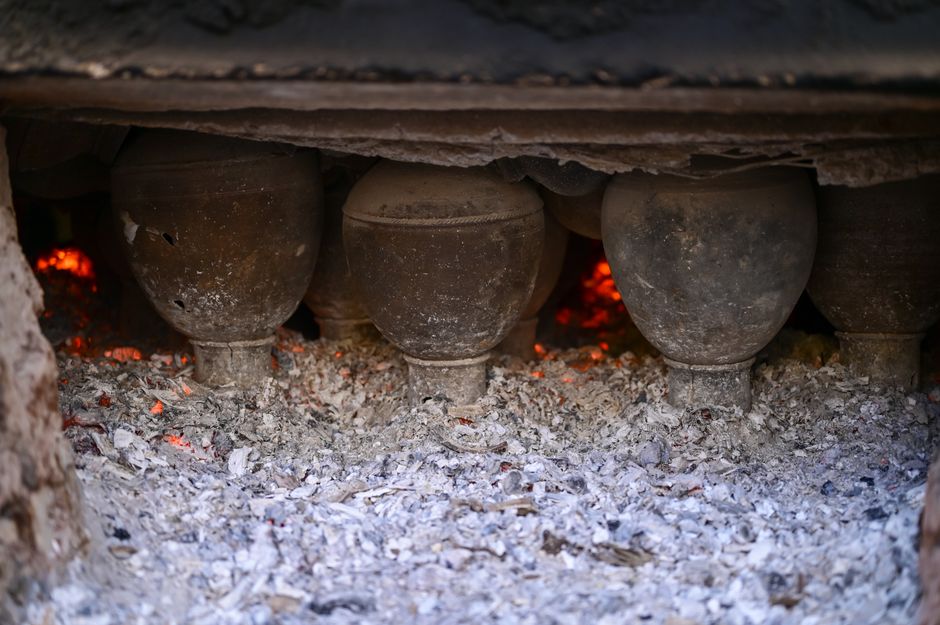
Kiln loading and stacking also play a role. Pieces placed near elements or burners may experience different heating rates than those in the centre. Adequate spacing allows heat circulation and ensures even firing. Baffles or shelves can be used to direct heat and gases. In reduction firing, the placement of pieces relative to the fuel source can influence local atmosphere.
Additionally, the type of kiln—electric, gas, wood, or oil—affects the firing curve and atmosphere. Wood firing, for example, introduces ash and flame that can create unique surfaces. However, wood firing is less predictable and requires significant skill. For most studio potters, electric or gas kilns offer more control and repeatability.
It is essential to remember that firing is a complex process with many variables. No single schedule guarantees a specific result. Potters are encouraged to test and document their firings, gradually refining their approach. The Craft Guild may provide guidelines or community forums where potters share their experiences.
Practical Considerations for Developing Schedules
When developing a firing schedule for stoneware, potters often start with a recommended schedule from the clay or glaze manufacturer. This serves as a baseline that can be adjusted based on kiln characteristics and desired outcomes. It is advisable to run test firings with small samples before committing to a full load. Test tiles can be used to evaluate glaze colour, surface, and fit.
Documentation is crucial. Keeping a firing log that records the schedule, atmosphere, kiln load, and results helps potters understand cause-and-effect relationships. Over time, patterns may emerge that inform future firings. However, it is important to avoid making definitive claims about outcomes; ceramic firing involves many interdependent factors.
Safety should always be a priority. Kilns operate at high temperatures and may produce hazardous gases. Proper ventilation and adherence to manufacturer instructions are essential. In the United Kingdom, health and safety regulations apply to kiln operation in educational and commercial settings.
Finally, potters may experiment with alternative schedules, such as crystalline glazing or wood firing, but these require specialized knowledge and equipment. For those interested in learning more, the Craft Guild offers a range of resources and courses that cover kiln firing in depth.
Firing schedules are a means to an end, not a guarantee. The interplay of clay, glaze, and kiln creates a unique result each time.
In summary, understanding kiln firing schedules for stoneware involves a grasp of temperature curves, atmosphere control, and the many variables that influence the final piece. By approaching firing with a mindset of inquiry and documentation, potters can develop schedules that suit their practice and aesthetic goals. Always consult reliable sources and test thoroughly before applying any schedule to a full kiln load.